The evolution of gambling a journey through time
The Origins of Gambling
The roots of gambling can be traced back to ancient civilizations, where evidence suggests that people engaged in games of chance long before the establishment of organized gambling institutions. In ancient China, around 2300 BCE, rudimentary forms of betting were evident, likely linked to early lottery systems. Similarly, the Romans were known for their love of games and betting, utilizing dice and other devices for entertainment. This proclivity for risk-taking laid the groundwork for the gambling practices we see today, including experiences offered by Mr Baron Casino.

As societies evolved, so did the complexity of gambling. By the Middle Ages, gambling had become more structured, with the establishment of betting houses in Europe. The introduction of card games and other gambling activities enriched the experience, allowing players to wager not just on chance but also on skill. During this time, gambling was often associated with social gatherings, further solidifying its place in cultural practices across various regions.
The rise of the Renaissance marked another pivotal moment in the history of gambling. This era saw the birth of modern games, including the emergence of casinos. Italy was among the first to establish formal gambling houses, leading to a surge in popularity across Europe. The combination of chance, strategy, and social interaction captured the public’s imagination, paving the way for the future of gambling as a mainstream activity.
The Rise of Casinos
The 17th century heralded the establishment of the first official casinos, with the Casino di Venezia in Italy being one of the earliest. These establishments were designed not only for gambling but also for socializing, bringing together individuals from various backgrounds. The architecture and ambiance of these early casinos created an atmosphere of luxury and allure, making them appealing destinations for those seeking entertainment and the thrill of risk.
As the concept of casinos spread, various regions began to develop their unique styles. France introduced baccarat and roulette, while the UK favored games like faro and whist. Each culture contributed to the evolution of casino games, enriching the global gambling landscape. By the 19th century, casinos had become synonymous with glamour and sophistication, attracting the elite and influencing trends in fashion and lifestyle.
The development of Las Vegas in the 20th century marked a significant turning point in casino history. What began as a small desert town transformed into a bustling metropolis dedicated to gambling and entertainment. The opening of lavish resorts and themed casinos redefined the gambling experience, allowing visitors to indulge in not just games but also world-class dining, shows, and shopping. This transformation solidified Las Vegas as the gambling capital of the world.
The Influence of Technology
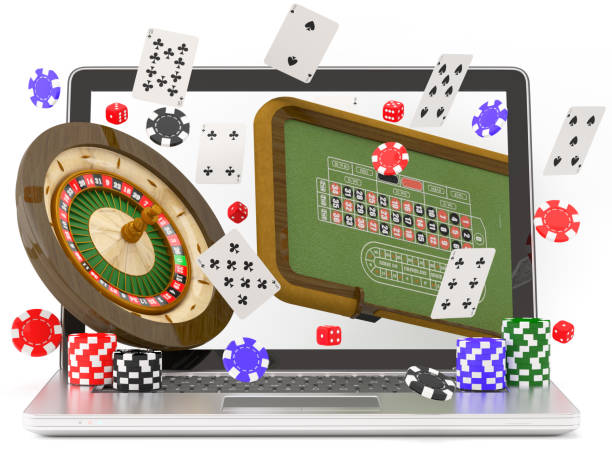
The digital revolution has dramatically reshaped the gambling landscape over the past few decades. The advent of the internet in the late 20th century brought about online casinos, allowing players to gamble from the comfort of their homes. This accessibility opened doors for millions and led to an explosion of gaming options. Players can now choose from traditional table games to innovative slots, all available at their fingertips.
Furthermore, advancements in mobile technology have further enhanced the gaming experience. With smartphones and tablets, users can participate in live casino games, interact with dealers in real-time, and enjoy the same excitement as in a brick-and-mortar casino. The integration of secure payment methods also reassures players, fostering trust in online gambling platforms.
As technology continues to evolve, so does gambling. The emergence of virtual reality (VR) and augmented reality (AR) technologies promises to offer immersive experiences that blur the lines between physical and digital casinos. Such innovations indicate a future where players can experience the thrill of being in a casino without leaving their homes, marking yet another chapter in the evolution of gambling.
The Celebrity Gambler Phenomenon
In recent years, celebrity gamblers have increasingly captured public fascination, influencing trends and perceptions about gambling. Figures like Ben Affleck and Floyd Mayweather Jr. have not only gained notoriety for their high-stakes gambling but also for their charismatic personas. This has transformed gambling into a glamorous activity, appealing to fans who wish to emulate their favorite stars’ lifestyles.
The allure of celebrity gamblers has also led to the rise of exclusive gambling events, where the rich and famous come together to wager large sums. These events are often covered by media outlets, further glamorizing the gambling culture. The intersection of celebrity and gambling has fostered a community where social status and wealth are often synonymous with gaming success.
Moreover, the presence of celebrities in gambling advertisements has significantly impacted how the industry markets itself. By associating their brands with well-known figures, casinos and online platforms create a sense of legitimacy and excitement. This phenomenon showcases how celebrity culture influences not just popular trends but also the very fabric of the gambling industry.
Understanding Modern Gambling Culture
The modern gambling culture is a tapestry woven from tradition, technology, and celebrity influence. Today’s gamblers engage in a wide array of activities, from online poker games to sports betting, reflecting diverse preferences. This accessibility has democratized gambling, allowing individuals from all walks of life to participate. As a result, the stigma surrounding gambling has lessened, and it is now often viewed as a legitimate form of entertainment.
However, with increased participation comes a heightened awareness of responsible gambling. Organizations are now emphasizing the importance of recognizing potential addiction and encouraging players to set limits. This balance between enjoyment and responsibility is essential for fostering a healthy gambling environment. Awareness campaigns and support systems are becoming integral parts of the modern gambling landscape.
As gambling continues to evolve, it is crucial to consider its impact on society. From economic benefits to cultural implications, the journey of gambling through time reflects changing attitudes and values. The industry must adapt to these shifts while promoting responsible practices, ensuring that the excitement of gambling remains a source of enjoyment rather than a risk.