By stacking plants in layers, growers can maximize their use of available space, a critical advantage in densely populated cities. The use of AI in cannabis cultivation isn’t just a futuristic fantasy, it’s a present-day reality. The craft cannabis segment still has consumer appetite and regulatory space, but small producers face increasing pressure to adopt some level of technology to remain how young Londoners relax today competitive against AI-optimized operations with significant scale advantages. Precision infusion systems use algorithmic control to ensure consistent dosing in edibles and beverages — a critical capability as the market shifts toward microdosed products where accuracy at the milligram level is essential. Artificial intelligence is no longer a buzzword at cannabis industry conferences, it’s becoming the backbone of how the most competitive operators grow, process, and sell marijuana. A single grow room with a comprehensive sensor array can produce hundreds of thousands of data points per day — far more than any human operator could meaningfully monitor or interpret without computational assistance.
Advanced breeding technologies are reshaping what’s possible in cannabis genetics, creating both opportunities and competitive pressures for cultivation businesses. For commercial operations prioritizing scalability and operational efficiency, F1 hybrids increasingly represent the optimal genetic strategy. Mother plant maintenance requires dedicated space, labor, and resources that impact operational efficiency. Phylos Bioscience reports that once operators understand F1 uniformity benefits, demand increases dramatically.
As the cannabis industry continues to mature, packaging automation has emerged as a critical factor for scaling operations while maintaining compliance and quality. Early movers in sustainability establish competitive advantages through both cost reduction and market differentiation that become increasingly valuable as environmental consciousness grows. Successful cultivators are also leveraging sustainability initiatives not just for environmental benefits, but as competitive advantages. Ultimately (competitors in any space will invest in new technology to streamline people), processes and tools to establish a competitive advantage. Beyond compliance benefits — blockchain technology reduces administrative burdens and improves inventory accuracy. This optimization is crucial for maintaining profitability and sustainability in the competitive cannabis market.
Improve Safety

Blockchain technology, for instance, is being used to create immutable records of each stage of the production process, from seed to sale. Some robots are designed to trim and prune plants, while others can assist in transplanting seedlings or monitoring plant health. The integration of data analytics and machine learning into cannabis cultivation is another game-changer.
Know the Difference
From precision cultivation and advanced extraction techniques to personalized consumer experiences and enhanced compliance, technology is driving the cannabis industry forward. Consumers and stakeholders need to be informed about the benefits and potential risks of these technologies to build trust and acceptance. Continued investment in research and development is crucial for driving innovation in the cannabis industry.
Risks related to integration, cybersecurity, and operational difficulties.

New automation tools can be tricky to integrate with existing cultivation (processing), and inventory systems. Investing in training (hiring experts), or working with tech partners helps ensure automation works properly and delivers the expected benefits. Cannabis automation can be costly at the start (with robots), AI systems, and sensors requiring a big upfront investment. This improves reliability (keeps customers satisfied), and helps maintain compliance with regulations.
To remain competitive globally, cannabis businesses must embrace change and invest in innovative technologies. Automation is having a significant impact on the cannabis industry (particularly in areas such as cultivation), processing, and packaging. Digitalization is increasingly viewed as a game-changer in the agriculture sector and cannabis is essentially the same as traditional agriculture.
It is essential for cannabis businesses to adhere to all regulations to preserve their licenses and prevent expensive fines or penalties. The enhancement of operational efficiency enables cannabis companies to sustain a competitive advantage over their competitors. The implementation of automation machines for cannabis packaging enables businesses to increase both their speed and precision. With these advancements — cultivators can concentrate on more strategic dimensions of their operations while technology efficiently manages everyday tasks.
Skilled positions like head cultivators and extraction technicians will remain essential — though their roles will increasingly involve managing technology rather than performing manual tasks. Repetitive physical tasks like trimming, transplanting, and packaging will increasingly be automated, reducing demand for general labor. Yes, AI-driven environmental optimization has demonstrated yield improvements of 10-25% in controlled studies by maintaining ideal growing conditions more precisely than manual management.
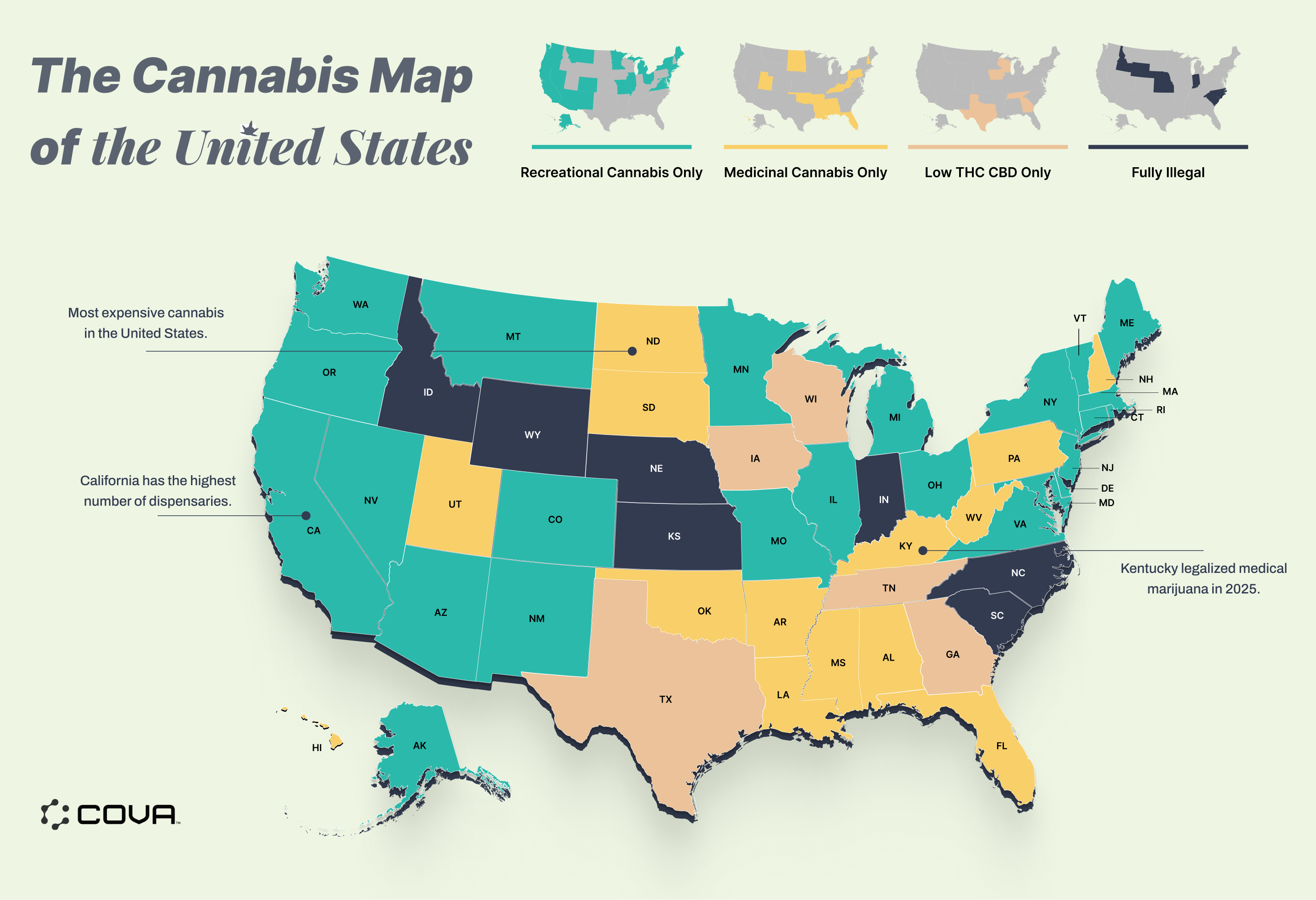
These trends demonstrate how automation is transforming every aspect of cannabis production, from cultivation to retail, setting the stage for future growth and innovation. These technologies help businesses run more smoothly while giving customers a convenient and reliable experience. These AI-powered insights help save resources, reduce waste, and ensure more reliable, consistent production.
Today’s automated trimming systems are able to “see” flowers, leaves, trichomes, and petioles like human trimmers. In the early days of cannabis facility automation, the mere thought of an “automated trimming system” would make cultivators extremely nervous. HVAC refers to heating, ventilation, and air conditioning, and it’s essential to air quality control in all industries, including cannabis cultivation. Implementing IoT technology such as automation streamlines processes (provides insight and control), and gives cultivators the tools needed to navigate obstacles and sustain growth. And though the cannabis industry is well established (it is relatively new to automation and), in general, the Internet of Things (IoT). It’s also about data collection, analysis, discovery, and action, all of which inspire massive returns in the cannabis industry.
Each individual adjustment saves a small amount (but across an entire facility operating 24 hours a day), the cumulative impact is substantial. Rather than having separate (independently operated HVAC), lighting, CO2 supplementation, and irrigation systems, AI platforms integrate all of these into a unified control layer that treats the grow environment as a single, interconnected system. The phrase “AI-powered grow room” can conjure images of robots tending plants in a fully automated facility with no humans in sight. Finding workers who possess all three qualities, and are willing to accept the wages that the industry’s thin margins can support — has grown increasingly difficult as the market has expanded. While automation boosts output, it doesn’t replace human expertise.
In this article, we will explore why automation is not only advantageous but also vital for improving cannabis production. As demand continues to rise, producers and cultivators face increasing pressure to fulfill consumer requirements without compromising quality and efficiency. The expansion of the cannabis sector drives the necessity for both effective and efficient production techniques.